Phase Two Of The Google September 2026 Spam Update Hits On 9/30

Google announced the Google September 2026 spam update a week ago today on September 24th. We most likely saw the first wave of sites getting hit on September 25th, 26th and into the 27th. Then things cooled a bit but it all heated back up yesterday, September 30th. September 30th may have been the second wave, the second phase of this Google spam update.
Latest Articles
Daily Search Forum Recap: October 5, 2026
Here is a recap of what happened in the search forums today...
Dark Mode Coming To Google Search Console
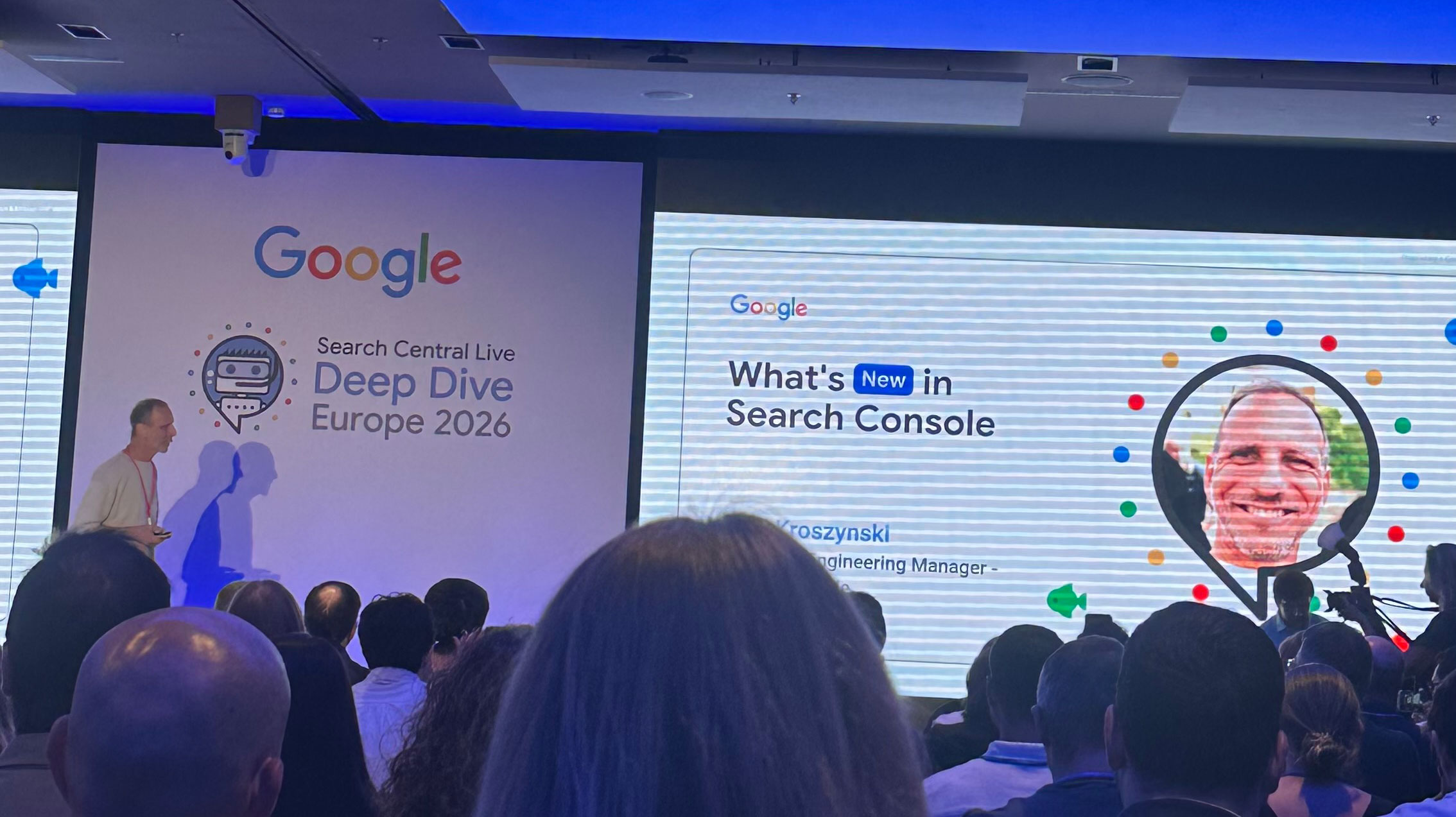
Google will soon support dark mode in Google Search Console. Ariel Kroszynski, a Senior Software Engineer at Google, announced this at the Google Search Central Live Deep Dive Europe 2026 in Barcelona last week.
Search Video Recaps
Google Search Spam Updates Use AI To Find AI Spam & More
Google spoke at the three-day Google Search Central Live Deep Dive event in Europe about why it has rolled out so many spam updates in 2026, according to John Campbell's recap at We Are Roast. He said that Google has been doing more spam updates because there is so much more new content than before. He also said Google is using AI to catch more spam.
Google Ads To Automated Promotions For Search & PMax Campaigns Soon
Google Ads sent an email notifying some advertisers that it will automatically identify and extract high-quality promotions from your website and apply them directly to your campaigns starting on October 12, 2026. This is called automated promotions and only applies to Search and Performance Max campaigns with linked location assets.
Google Ads With Doubled About This Ad Button
Google seems to have a bug of sorts where sometimes it can show the three dots about this ad or search result button twice, instead of just once. I can replicate this for some queries but not all.
Google Search Data On Crawling, Indexing & Serving Timelines
Gary Illyes from Google reportedly presented new data from Google Search on how long Google for crawling, indexing and serving on average. This is broken down by process, withing crawling, indexing and serving and shows the typical timeframe versus the slowest timeframe.
Google Ads AI Campaign Localization Tool (Beta)

Google Ads has a new AI campaign localization tool for Search campaigns (beta), at least according to a new help document I found late last week. "You can use the AI campaign localization tool to quickly localize entire Search campaigns for new languages and regions using generative AI," Google wrote in the help document.
Archives
OpenAI To Test Visual ChatGPT Ad Format During AI Image Generation
Oct 5, 2026Daily Search Forum Recap: October 2, 2026
Oct 2, 2026Search News Buzz Video Recap: Google Spam Update Impact, Google Not Paying Much For Your Content, Google Feels Sad & Terrible and more
Oct 2, 2026Google Loyalty Customer Match Expands To AI Mode & More Regions
Oct 2, 2026Google Tests URL Tracking Parameters To AI Overviews & AI Mode
Oct 2, 2026Google Local Service Ads Hiding Phone Number By Default
Oct 2, 2026Bing Product Results With Recommended By Section
Oct 2, 2026Picture of the Day