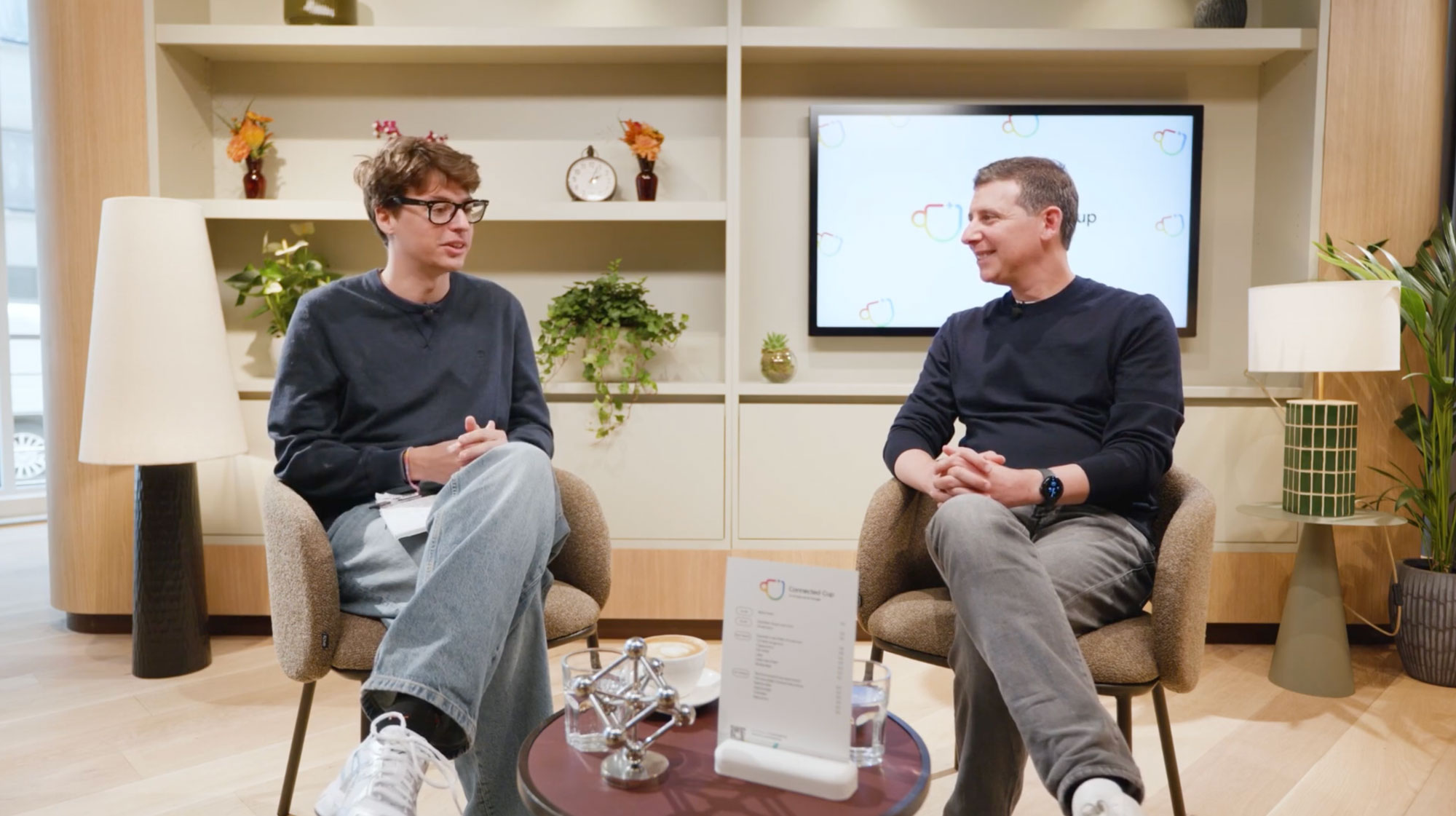
Pietro Valetto interviewed Nick Fox, Senior Vice President of Knowledge & Information at Google. Nick Fox shared a snippet from the full video about the DMA changes that led Google to say it had to make the biggest reduction in search quality in its 28-year history. Fox said doing so made him feel "terrible" and "sad." He said these changes will be a major reduction in privacy because Google has to hand over search query data to competitors, which can lead to huge breaches in privacy and removing spam prevention like the site reputation abuse policy in Europe.
Fox also doubled down on click studies, saying he still disagrees with them.
Nick Fox shared the interview on LinkedIn and wrote:
We support the DMA's goal of open, competitive markets. The way it's being enforced is a different story. Five years in, we've made hundreds of changes to Search in Europe, each one small on its own (we removed the ability to check current prices on products, click directly to Google Maps for directions, filter hotels by travel dates, and more). But added up, they leave European users with a Search that’s significantly worse than anywhere else.The latest DMA decision would require us to hand over peoples’ most private queries to other companies, without sufficient anonymization. Search queries are often about our health, finances, and families, and this decision risks exposing these private questions to hackers and third party misuse.
Competition shouldn't come at the cost of privacy or a worse experience. Europeans deserve the best, and we want people in Europe to be able to get access to the great technology that their peers around the world have.
Here is the full video:
Nick Fox said in this interview:
We've launched to search which you know it it makes me feel terrible, right? It literally makes me sad that we need to degrade our product in this way. And you know, each of each little bit of it is maybe feels small, you know, but it's things like you can't find real-time pricing for a flight, right.
On the privacy part, he said:
The other part of the DMA is it's it's causing it's about cause a really massive violation of of European privacy. There's a part of the DMA that's going to require us to take user search queries, hand over user search queries to competitors which could be you know any number of companies. They're actually typically not European companies and so it doesn't actually enable European competition in a meaningful way. But, you know, if you think about it, the questions you what we were talking about before, the questions you bring to search are the most private questions you ask anyone, right? You bring to search questions that you don't ask your spouse, you don't ask your friends, you don't ask your doctor, you don't you know these are very private questions about your health, your finances, you any number of things. And for those queries to be taken outside the sort of four walls of our data centers, you know, we invest an enormous amount of money in securing our data centers and protecting against hacks and cyber security and all of these things. You know, once those queries are taken outside of Google and handed over to others, those are subject to hacking and any number of things. And so, you know, there's a real risk there that I think needs to be better understood.
In fact, this morning, Google officially appealed the mandate to share search data with competitors.
Pietro Valetto said his searcher behavior changed, where he doesn't even click on links anymore in Google Search. Pietro said, "Often I see myself not even clicking on links anymore because the summary provides all the information I need." This was at about 12 minutes and 30 seconds into the video, if you want to hear the question.
Nick Fox responded, "In terms of clicking through to the web, people still click through to the web a lot. Um and so there have been things that have you know there have been you know articles written etc about you know the death of the web or zero click zero click. That's not what we're seeing. And you know it depends on the question right if I'm asking a very simple question that can be answered you know very simply by an AI response maybe that would have let you know might not be leading to a click on that query but most you know as I was saying most of the things that people doing much longer much longer questions much deeper..." Yep, he said this a year ago - where he questioned the click studies for AI Overviews and he is hanging on to that statement.
He also added that Google had to pull back on spam prevention, he is specifically referencing site reputation abuse in Europe. He said "you know, there's been other parts where we've had to pull back on sort of spam protection. You know, there's a lot of websites that try to sort of trick our algorithms. We've been forced to pull back on spam protections so we show, you know, lower quality results in Europe as a result."
Forum discussion at LinkedIn.