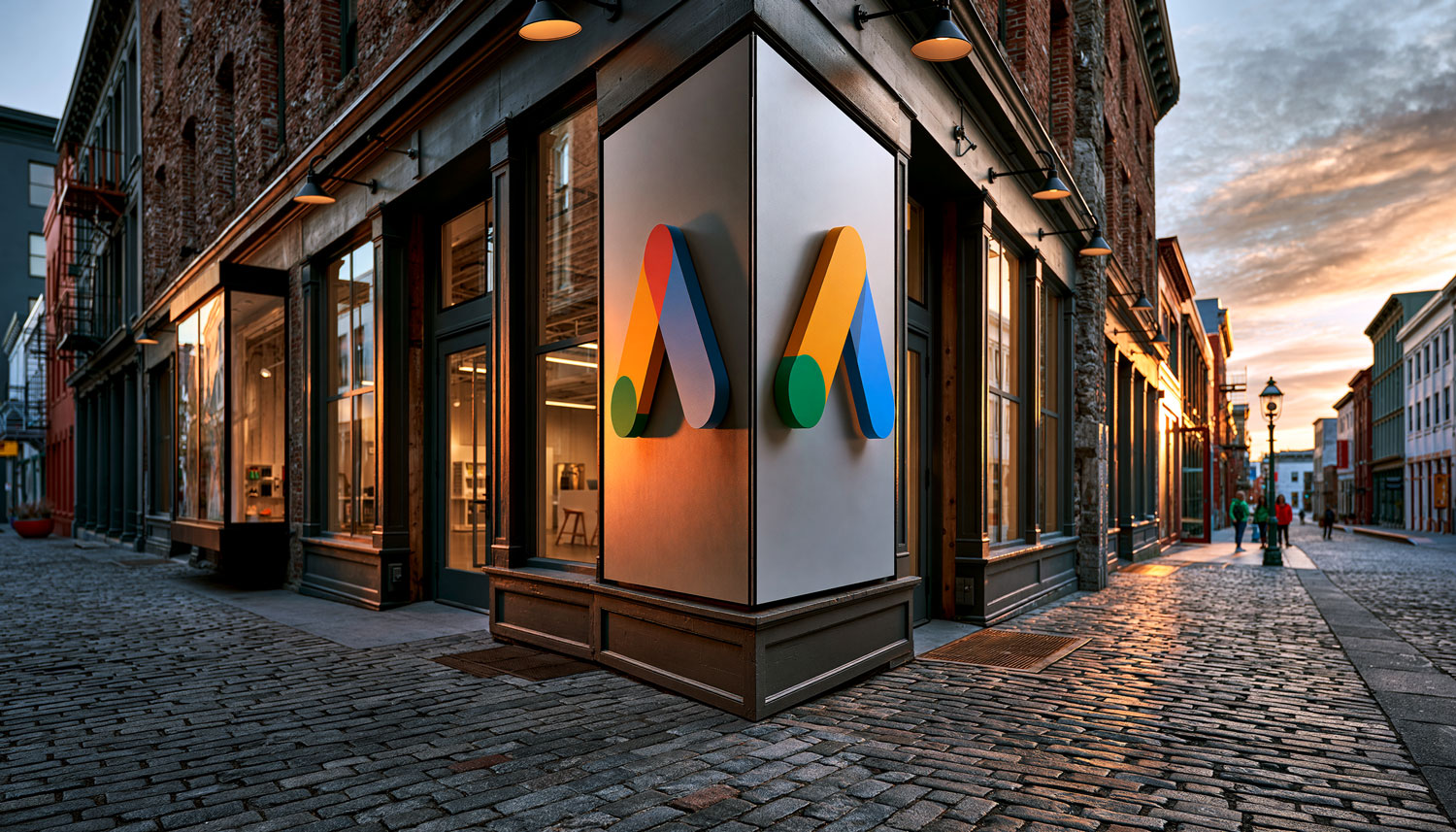
Google announced it is transitioning the Google Local Service Ads platform into the main Google Ads platform throughout this year. With that, Google is making a new and specialized Performance Max campaign type optimized specifically for pay-per-lead goals for these campaigns to transition into.
Here is the timeline of when this is happening:
- August 2026: The first phase of the migration begins for select home and storefront service advertisers in the United States (including plumbing, HVAC, electrical, appliance repair, house cleaning, lawn care, roofing, pest control, and moving).
- Late 2026: The migration expands to broader advertiser groups, including service-area businesses without physical storefronts and accounts with custom bidding or booking configurations.
- 2027: Non-U.S. accounts, and all remaining business categories that were not migrated in 2026 will transition to Google Ads.
So this all should be migrated by the end of the year? I like how Google documented this update by sharing what is and what is not changing:
What’s not changing with this migration
- Pay-per-lead model: You still only pay for valid leads (such as phone calls and messages) rather than ad clicks.
- Performance: The focus on high-intent customer connections is unchanged.
- Ad placements: Your ads in Performance Max campaigns with pay-per-lead goals will continue to show exclusively on Google Search and Google Maps in the same ad positions as before, as was the case with Local Services Ads.
- Keywordless targeting: Your campaign remains keywordless. Your targeting is based on the service categories and areas you offer with the other settings you select.
What’s changing with this migration
- A new home integrated with Ads: Manage your budgets, adjust targeting settings, and reply to customer inquiries directly from the Google Ads platform instead of the separate Local Services Ads dashboard. Please note that previous performance reports won’t carry over to Google Ads. You can refer to the FAQ section below for steps to back up your historical data before migrating.
- Bidding and budget adjustments: To align with Google Ads bidding models, manual bidding and industry-level Target CPA are being deprecated. We highly recommend reviewing the "Bidding and budget adjustments" section below to prepare your bidding strategy.
- Self-service campaign changes: You gain greater control over your local campaigns. In Google Ads, you can edit the phone number to which your call and message leads are routed in real time. Core business details, such as your business name and physical address, must be updated on your Google Business Profile and will sync automatically to Google Ads.
- Google Business Profile integration: Google Ads pre-populates your campaign setup using details from your Google Business Profile to make setup easier. Your business name, business address, and business hours sync in one direction from your Google Business Profile to Google Ads to ensure consistency. While core details sync automatically, significant updates to your business name or physical address will trigger a standard verification review to keep your account secure. This review typically takes 24 to 48 hours, during which your campaign may temporarily pause. Other fields, such as photos and service areas, are pre-populated but can be customized independently for your ads.
- Better Business Bureau (BBB) callouts deprecation: BBB callouts are no longer supported. To help your business stand out on Google Search, navigate to your campaign's assets tab and select at least 6 other structured callouts (such as business hours, specialties, or accepted payment methods).
So there is still the Pay-per-lead model and that will be in a new Performance Max campaign type optimized specifically for pay-per-lead goals. These ads will only show on Google Search and Google Maps, like LSAs did prior. Google is deprecating manual bidding and industry-level Target CPA. Google Ads will prepopulate your ads from your Google Business Profile. The BBB change interests me, like this can't be good for the BBB and Google will promote its own assets instead?
The bidding and budget adjustment changes need to be understood, here is what is changing when you are moved from LSAs to Google Ads:
- Weekly to Daily budgets: Your historical average weekly budget is automatically divided by 7 to determine your daily average budget. This change does not affect your monthly spend, which is capped at your daily average budget multiplied by 30.4 (the average number of days in a month). Daily spend may fluctuate on high-demand days, but your monthly billing will not exceed this limit.
- Deprecation of manual bidding: Manual bidding (such as setting a maximum cost-per-lead) is no longer supported in Google Ads.
- Deprecation of vertical-level target CPA: Google Ads does not support vertical-level Target CPA bidding. If you previously managed different Target CPA amounts for separate verticals under a single campaign, a unified campaign-level Target CPA will be calculated and applied to all vertical categories. If you wish to maintain separate bidding rules for different business categories after migration, you can achieve this by setting up separate campaigns for each vertical (for example, creating separate campaigns for plumbing and HVAC)
Google will email businesses 14 days prior to the transition, letting them know they are being migrated to this new interface.
You can find a lot more details in the announcement.
Anthony Higman, the man who knows LSAs better than most, wrote on X that this move actually makes a ton of sense, since LSA was really the OG of PMax and AI Max campaigns.
Here is his post, it is worth a read, so click through:
YOO BIG WILD Google LSA News! Google Is Getting Rid Of The LSA Platform And Rolling Up Local Services Ads Into P-Max Campaigns! Lol.
— Anthony Higman (@AnthonyHigman) July 20, 2026
Which Actually Makes A Ton Of Sense Since LSA Was Really The OG P-Max/Ai Max Campaign. Lol
It Will Be In A Phased Roll Out Starting In August… pic.twitter.com/VGY1CdqJsr
I think their change with AI qualifying call leads also is a part of this. https://t.co/ptbPdl8YTc similar to what they were doing with LSA's previously - but now if you want that, you'd have to opt in all of your PPC campaign 'calls from ads' too, which means more data for them
— Greg (@PPCGreg) July 20, 2026
Forum discussion at X.